


Description
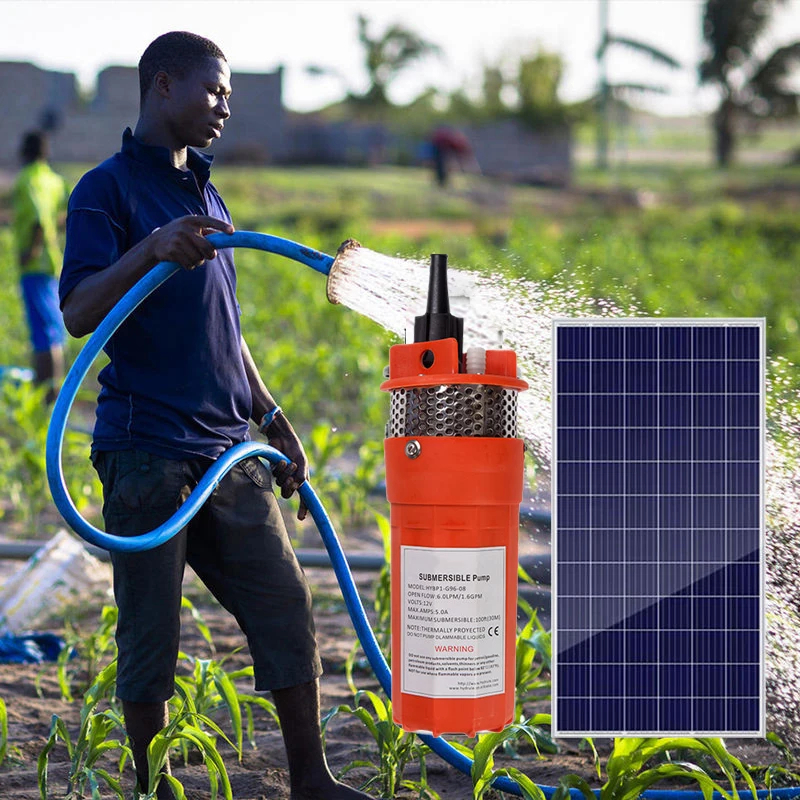
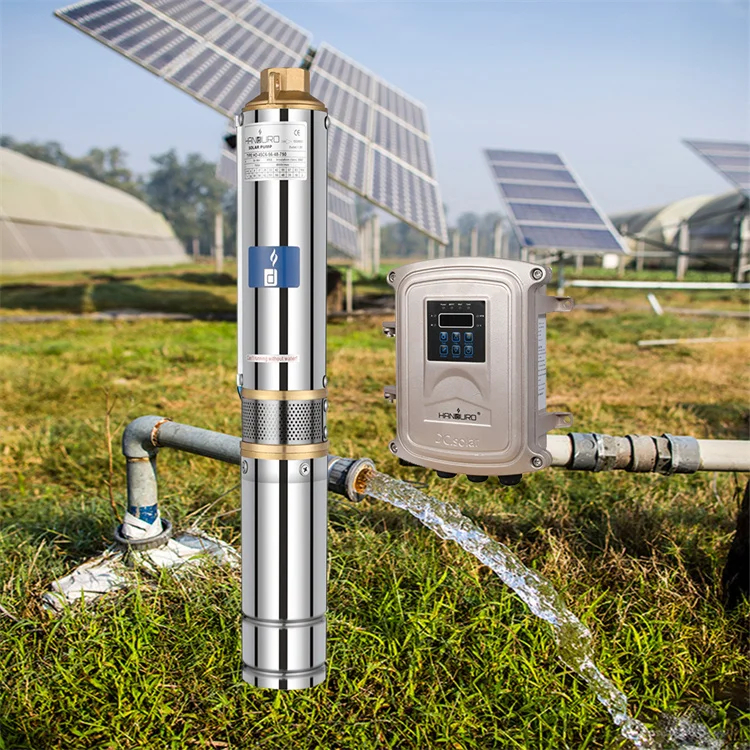
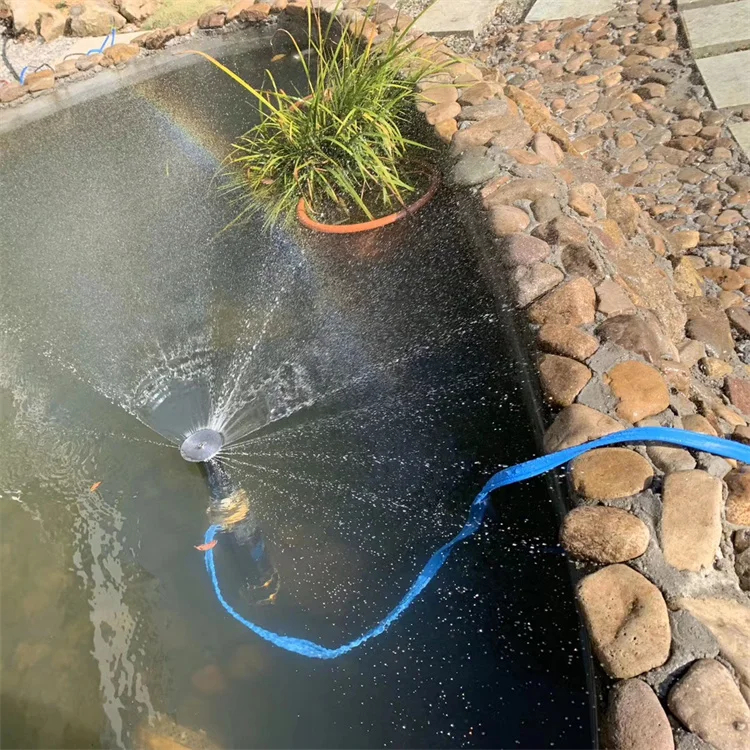
A solar water pump uses solar energy to move water, making it an eco-friendly solution for irrigation, livestock watering, and even residential water supply. Here are some key points about solar water pumps:
Types of Solar Water Pumps
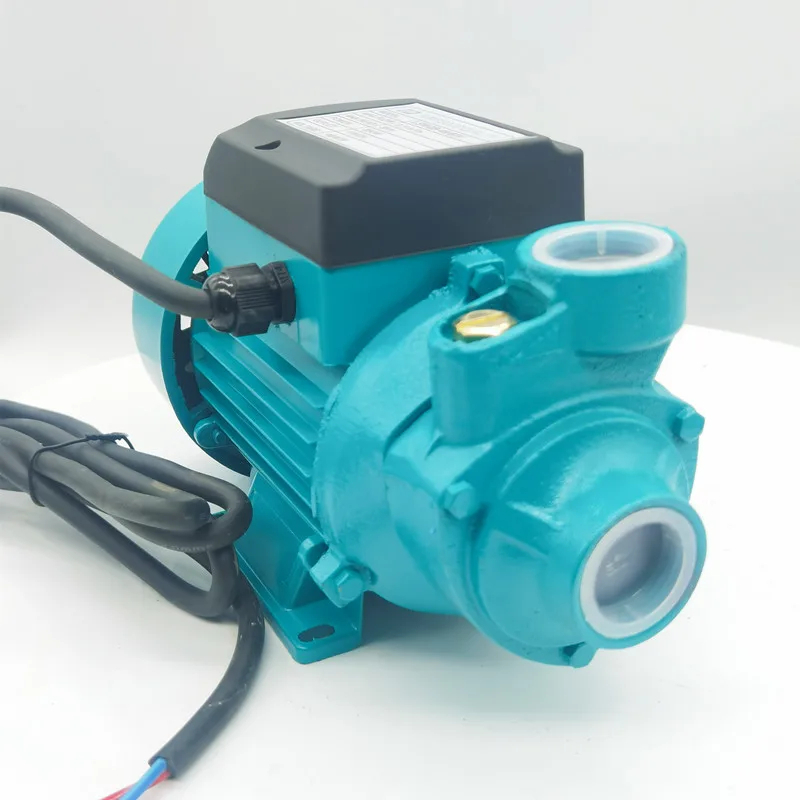
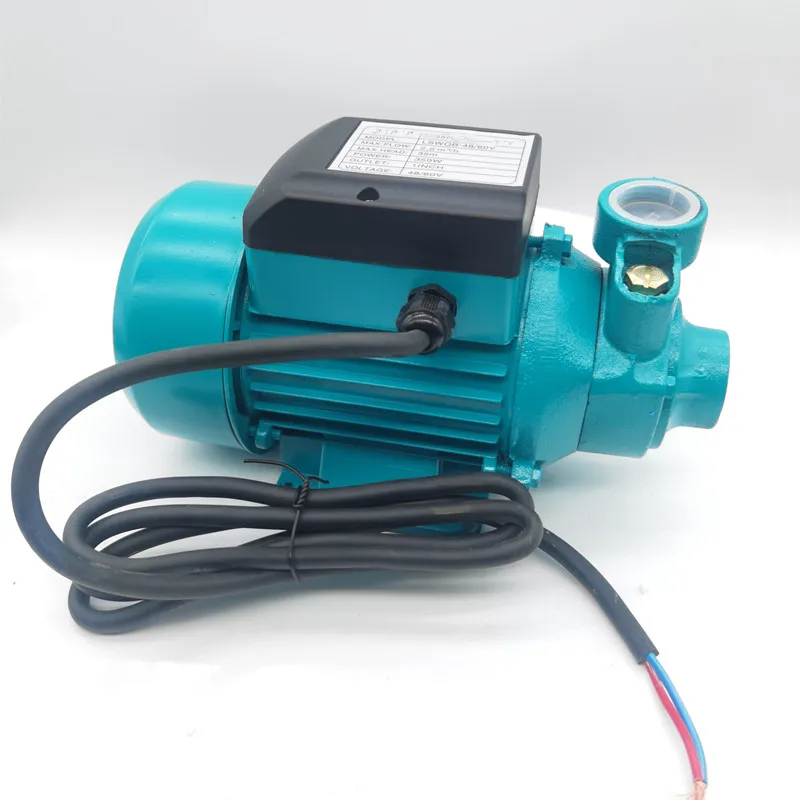
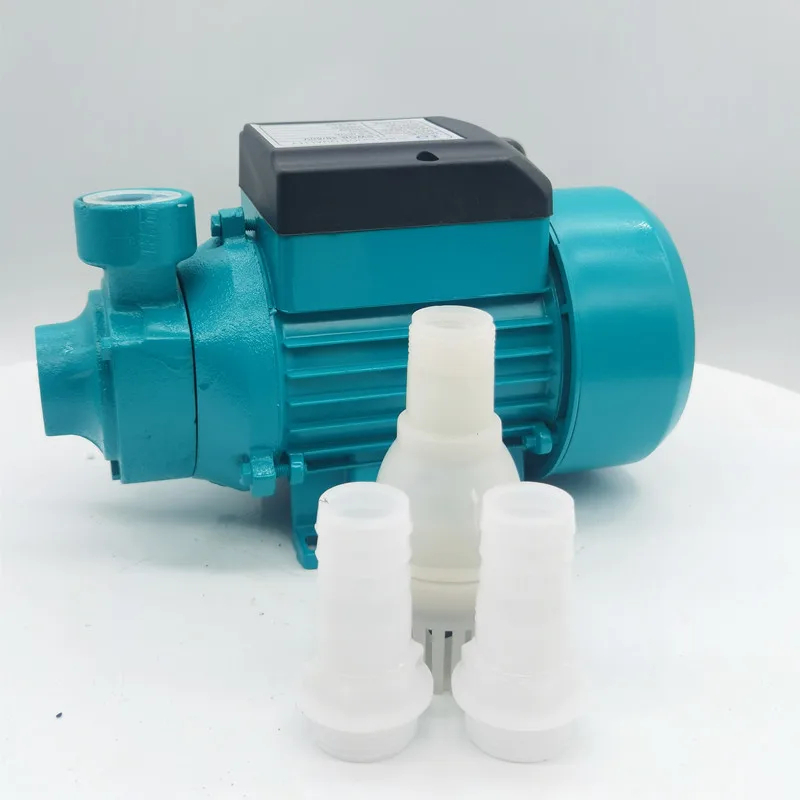
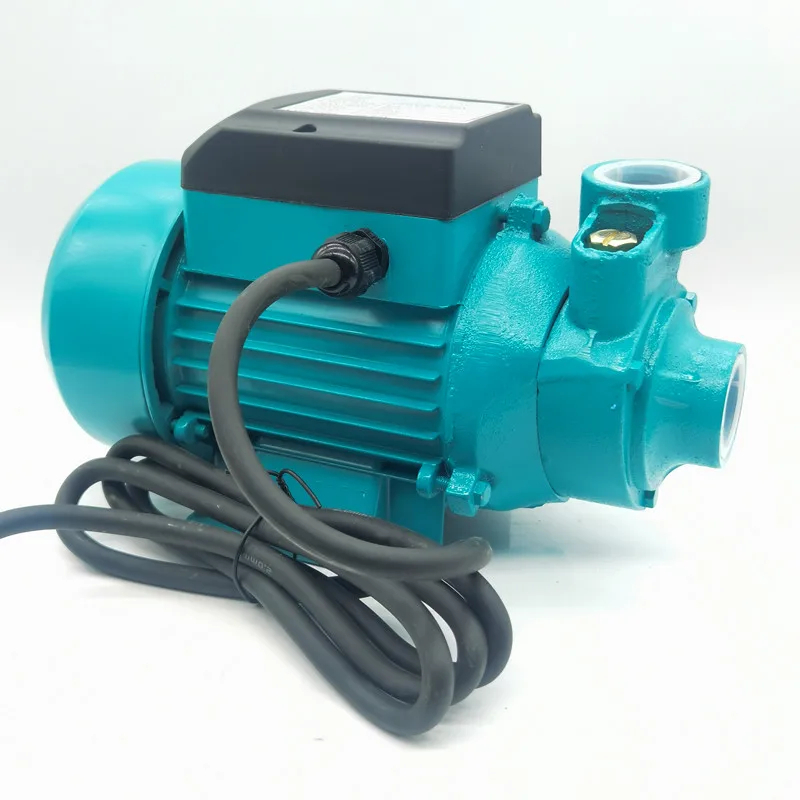
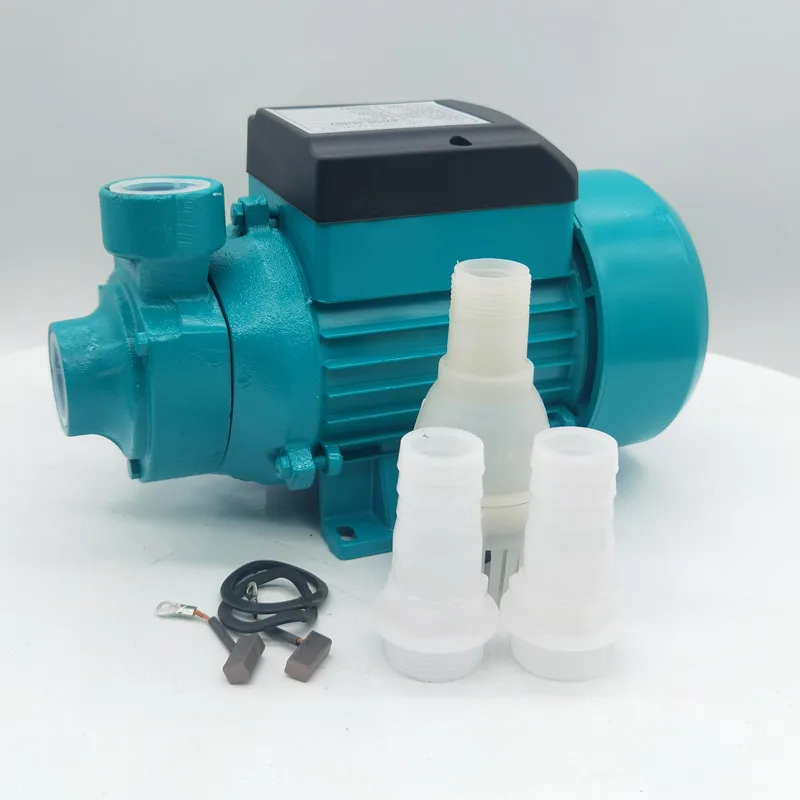
- Surface Pumps: Used for shallow water sources, like ponds or wells. They lift water from the surface.
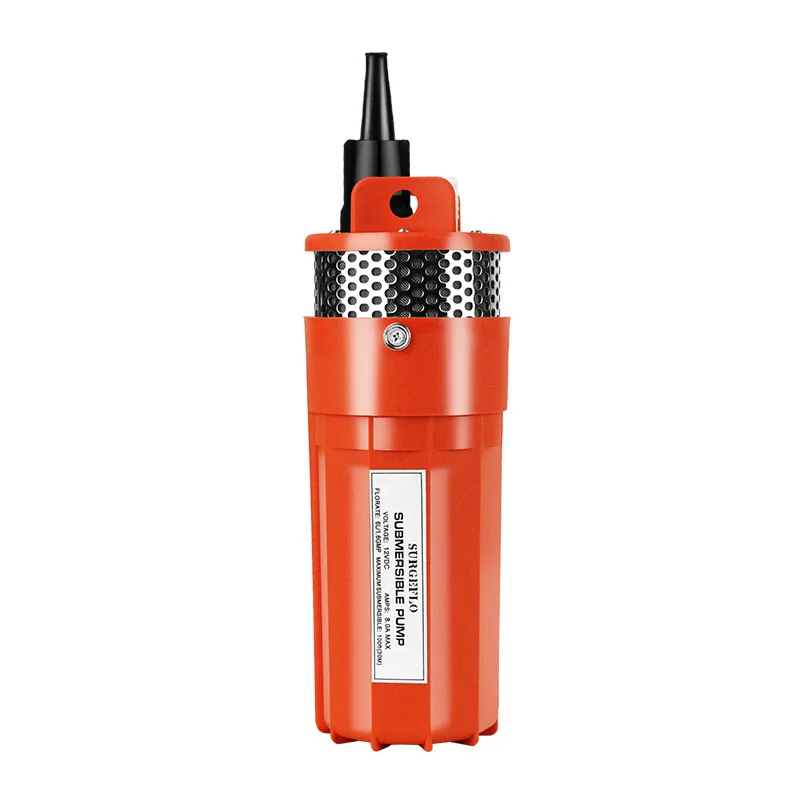
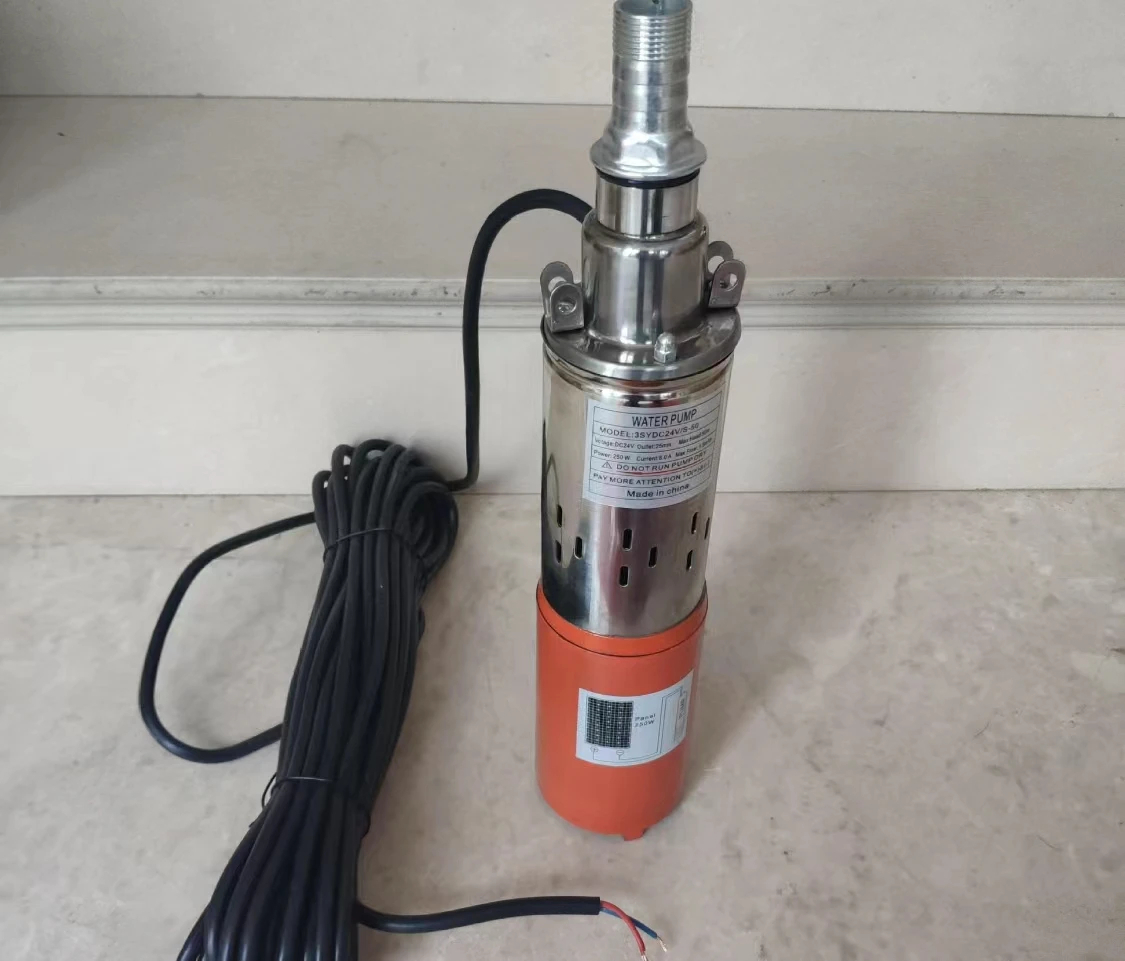
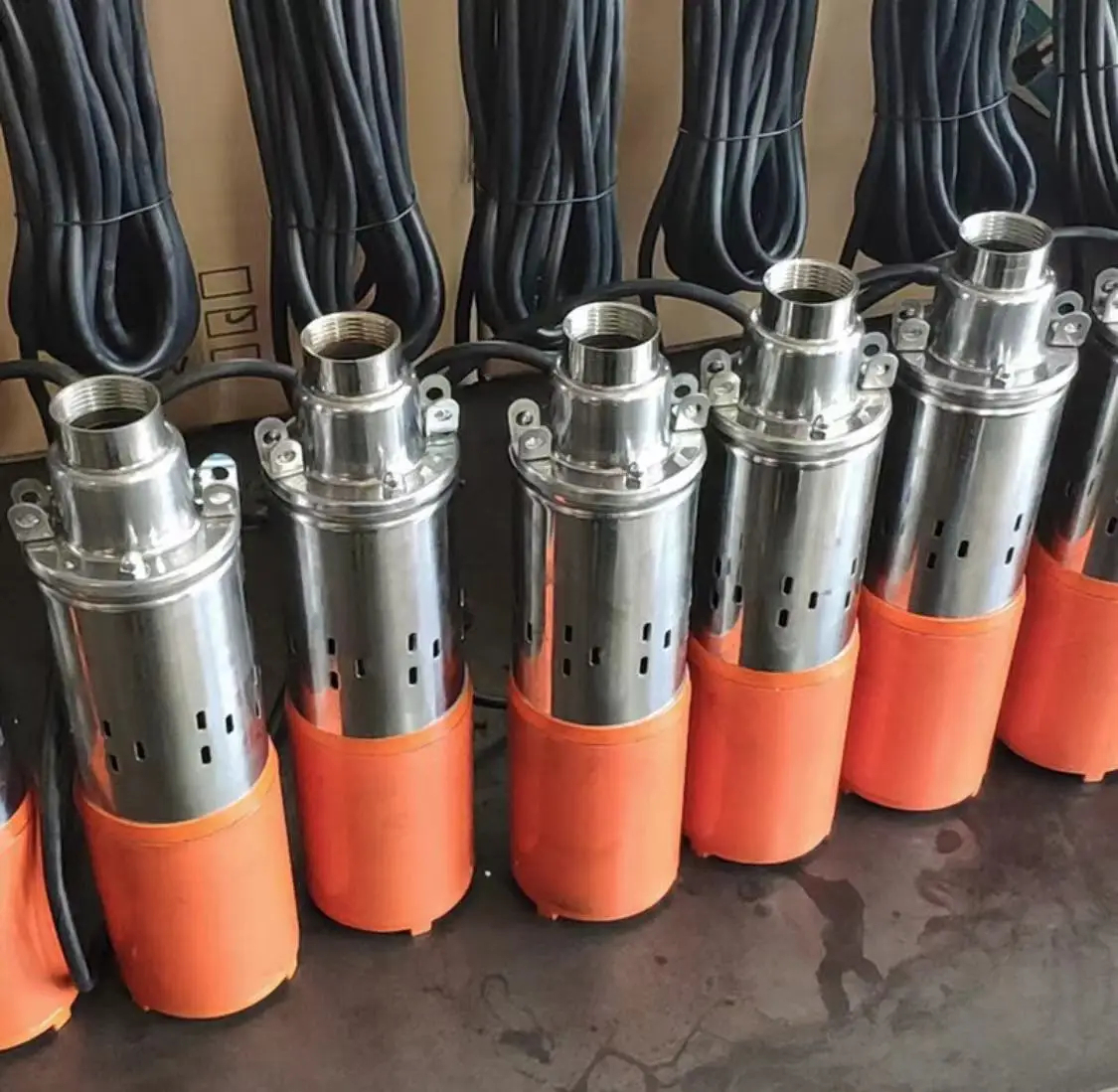
- Submersible Pumps: Designed to be submerged in water, suitable for deep wells and boreholes.
Components
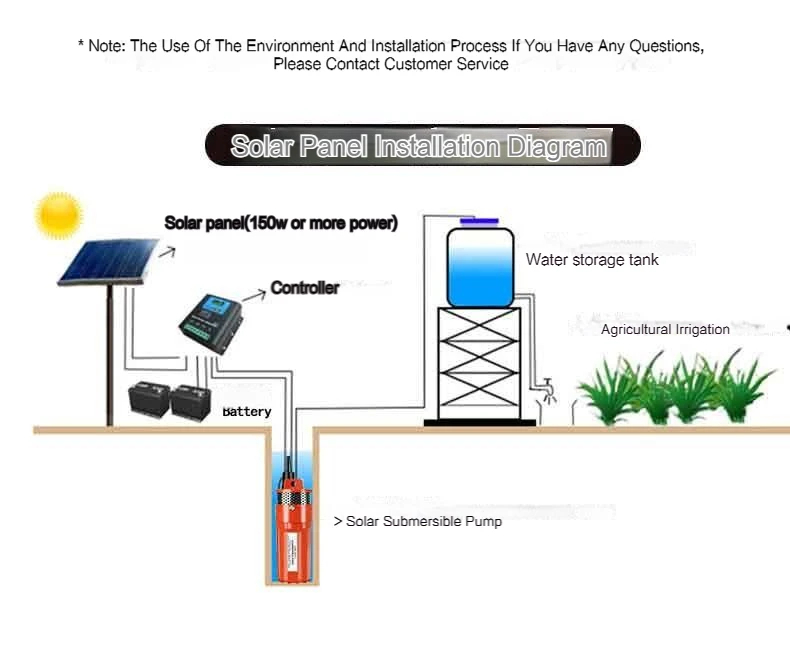
- Solar Panels: Convert sunlight into electricity to power the pump.
- Pump: Moves the water through pipes or hoses.
- Controller: Regulates the system and optimizes energy use.
- Battery (optional): Stores energy for use when sunlight is insufficient.
Benefits
- Renewable Energy: Reduces dependence on fossil fuels.
- Cost-Effective: Low operational costs after initial setup; potential savings on electricity bills.
- Low Maintenance: Fewer moving parts compared to traditional pumps.
- Environmentally Friendly: Reduces carbon footprint.
Applications
- Agriculture: Irrigation for crops and gardens.
- Livestock: Providing water for animals in remote areas.
- Residential: Supplying water for households in off-grid locations.
- Industrial: Used in some manufacturing processes or for cooling systems.
Considerations
- Initial Cost: Higher upfront investment compared to conventional pumps.
- Sunlight Dependence: Performance varies with weather and seasons.
- Site Assessment: Proper evaluation of water needs and solar exposure is essential for effective installation.
If you have specific questions or need advice on choosing or installing a solar water pump, feel free to Contact Us!

Reviews
There are no reviews yet.