


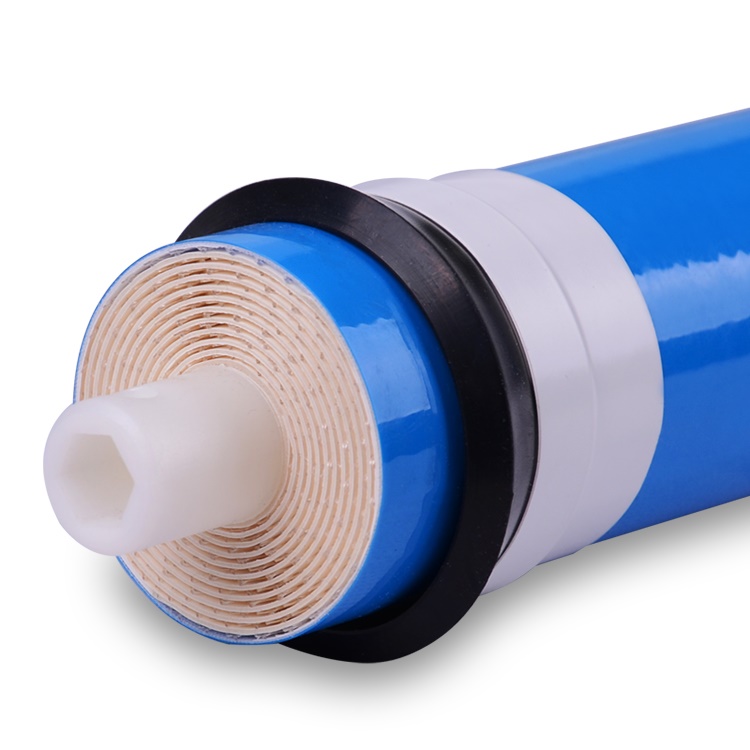

Description
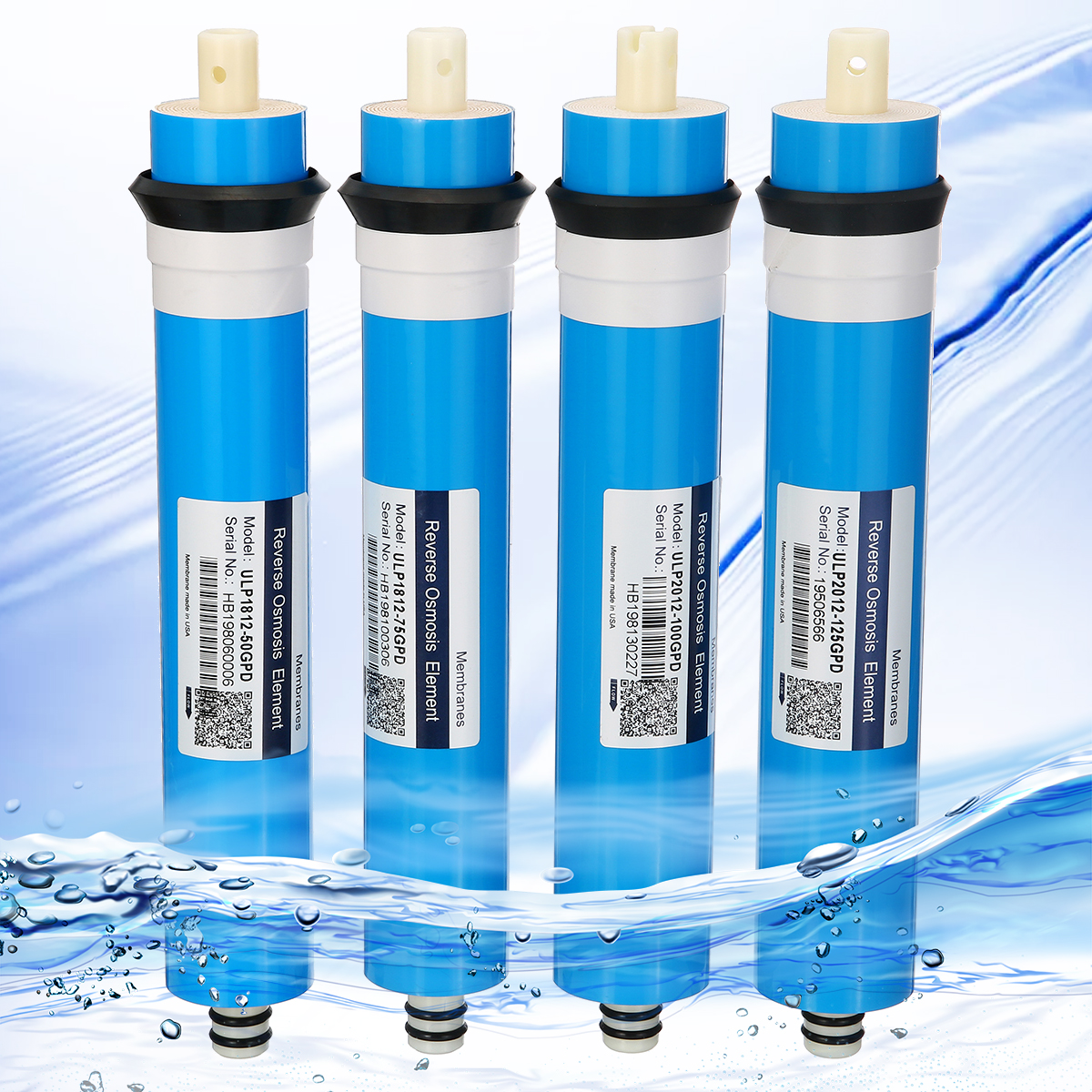
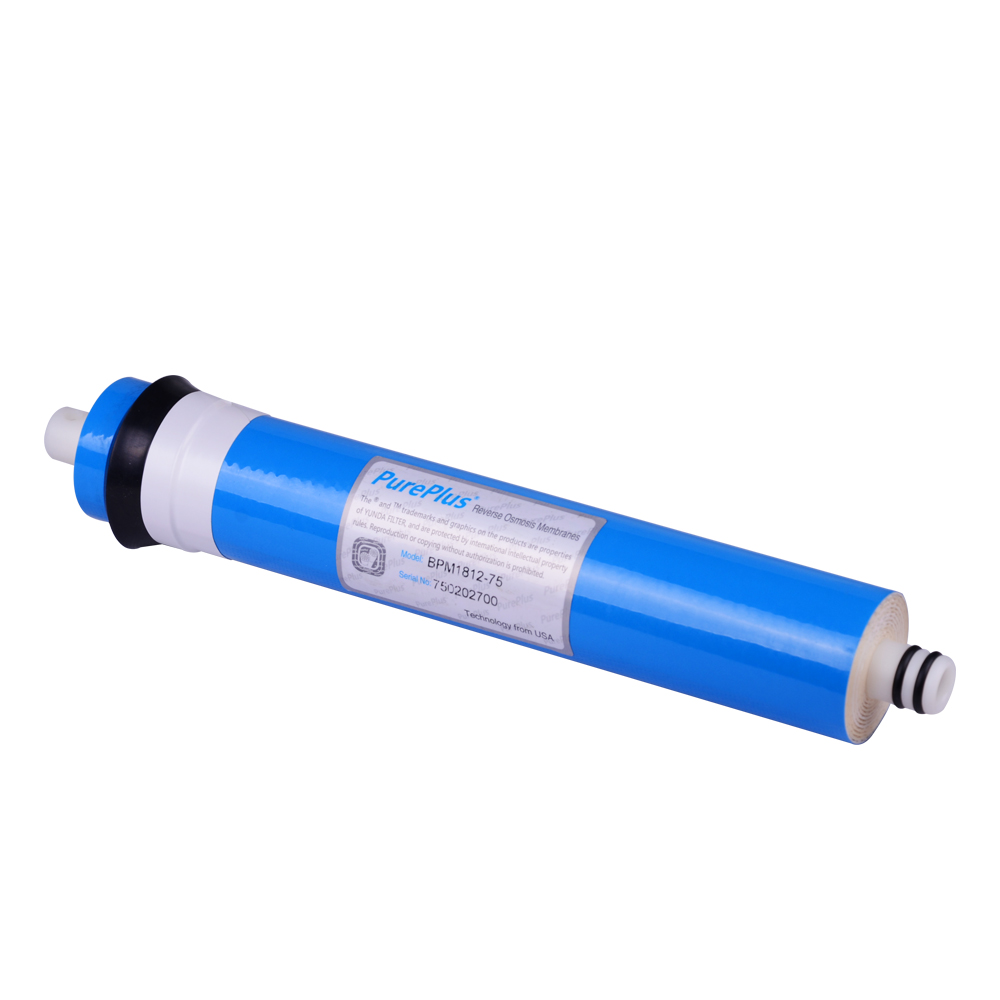
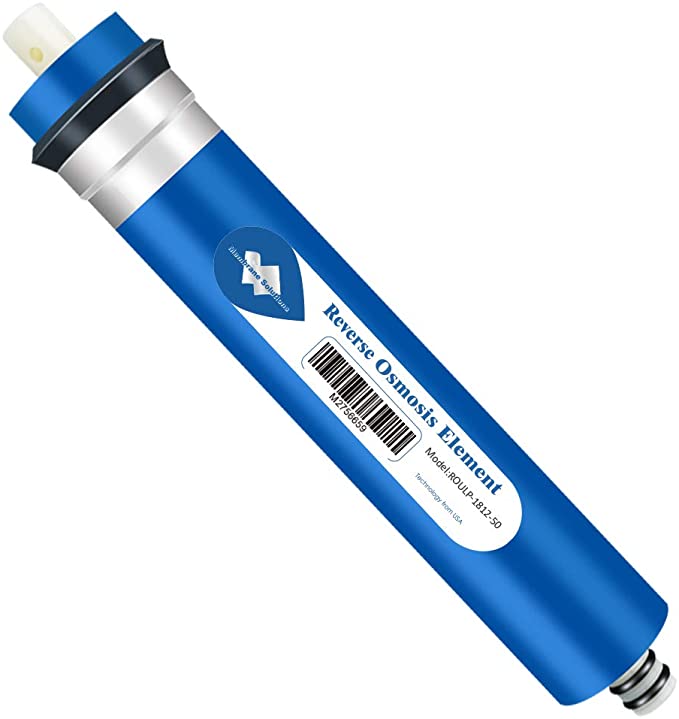
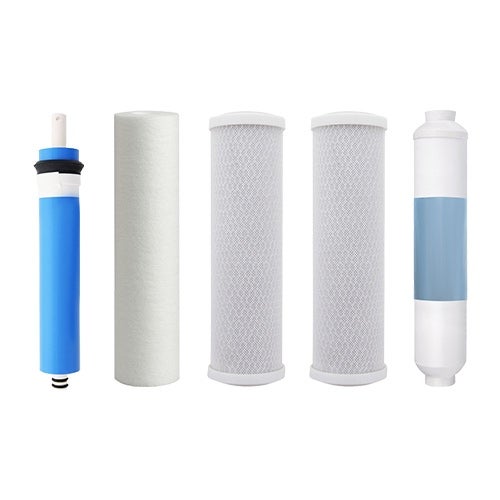
Reverse osmosis (RO) membranes are critical components in water purification systems. They allow water to pass through while rejecting contaminants such as salts, bacteria, and other impurities. Here are some key points about RO membranes:
Types of RO Membranes
- Thin-Film Composite (TFC): The most common type, made from a polyamide material. They offer high rejection rates and are widely used in residential and commercial systems.
- Cellulose Acetate (CA): Older technology, less common today. They are less resistant to chlorine and have lower performance compared to TFC membranes.
How RO Works
- Pressure: Water is forced through the membrane under pressure, which separates pure water from contaminants.
- Rejection Rate: This indicates how well the membrane can filter out impurities, typically above 90% for dissolved salts.
Applications
- Drinking Water Purification: Removes harmful substances, making water safe to drink.
- Desalination: Converts seawater into freshwater.
- Industrial Processes: Used in pharmaceuticals, food processing, and electronics manufacturing.
Maintenance
- Cleaning: Membranes can foul over time, requiring regular cleaning to maintain efficiency.
- Replacement: Typically, RO membranes last 2-5 years, depending on water quality and usage.
Advantages
- High Efficiency: Removes a wide range of contaminants.
- Taste Improvement: Enhances the taste of drinking water by removing impurities.
Disadvantages
- Wastewater Production: Generates a concentrated waste stream.
- Cost: Initial setup and maintenance can be expensive.
If you have specific questions about RO membranes or their applications, feel free to contact us!
Reviews
There are no reviews yet.